In 1066 they went to England with William the Conqueror and then on to Ireland in 1169 with the Normans.
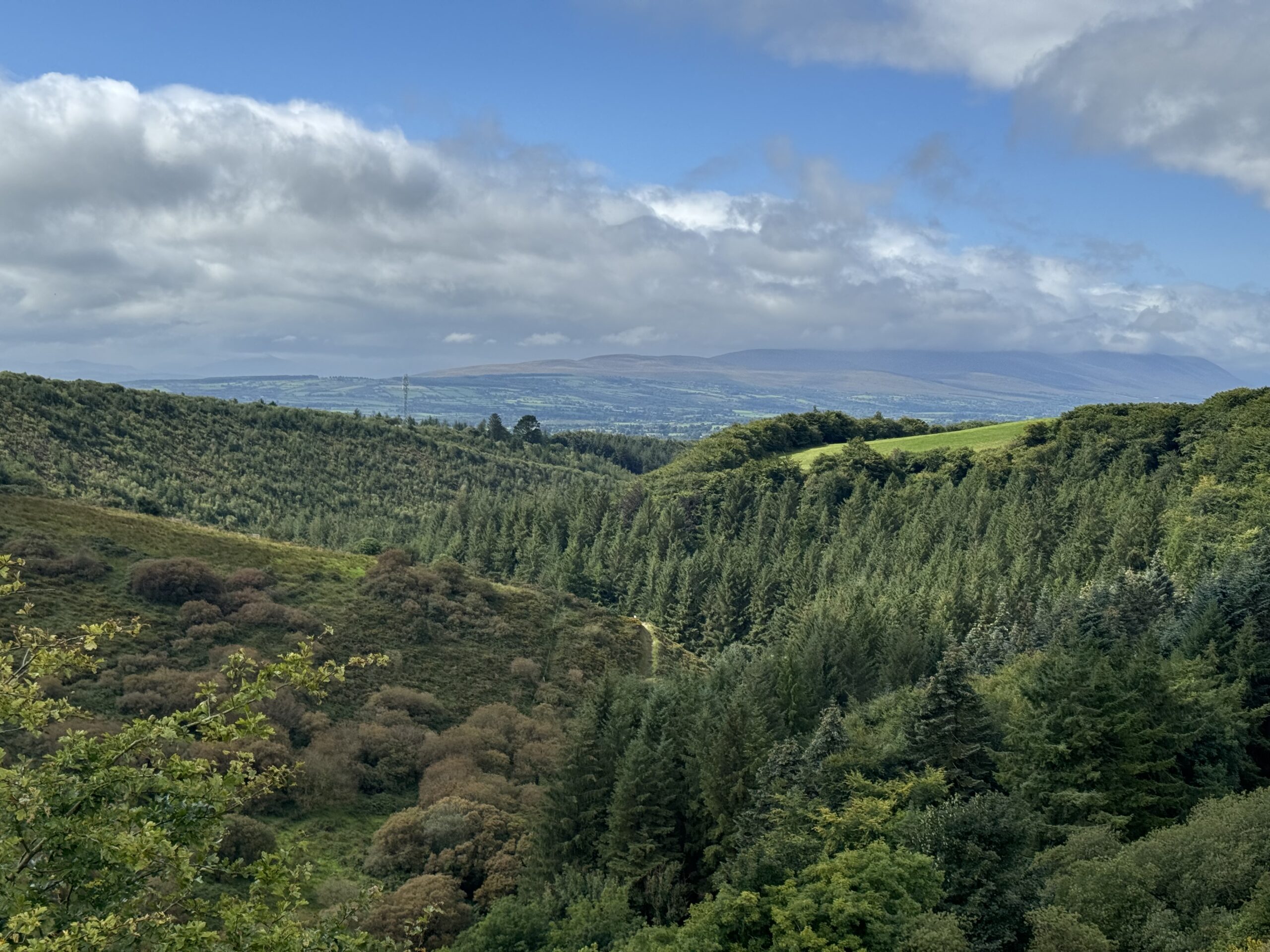
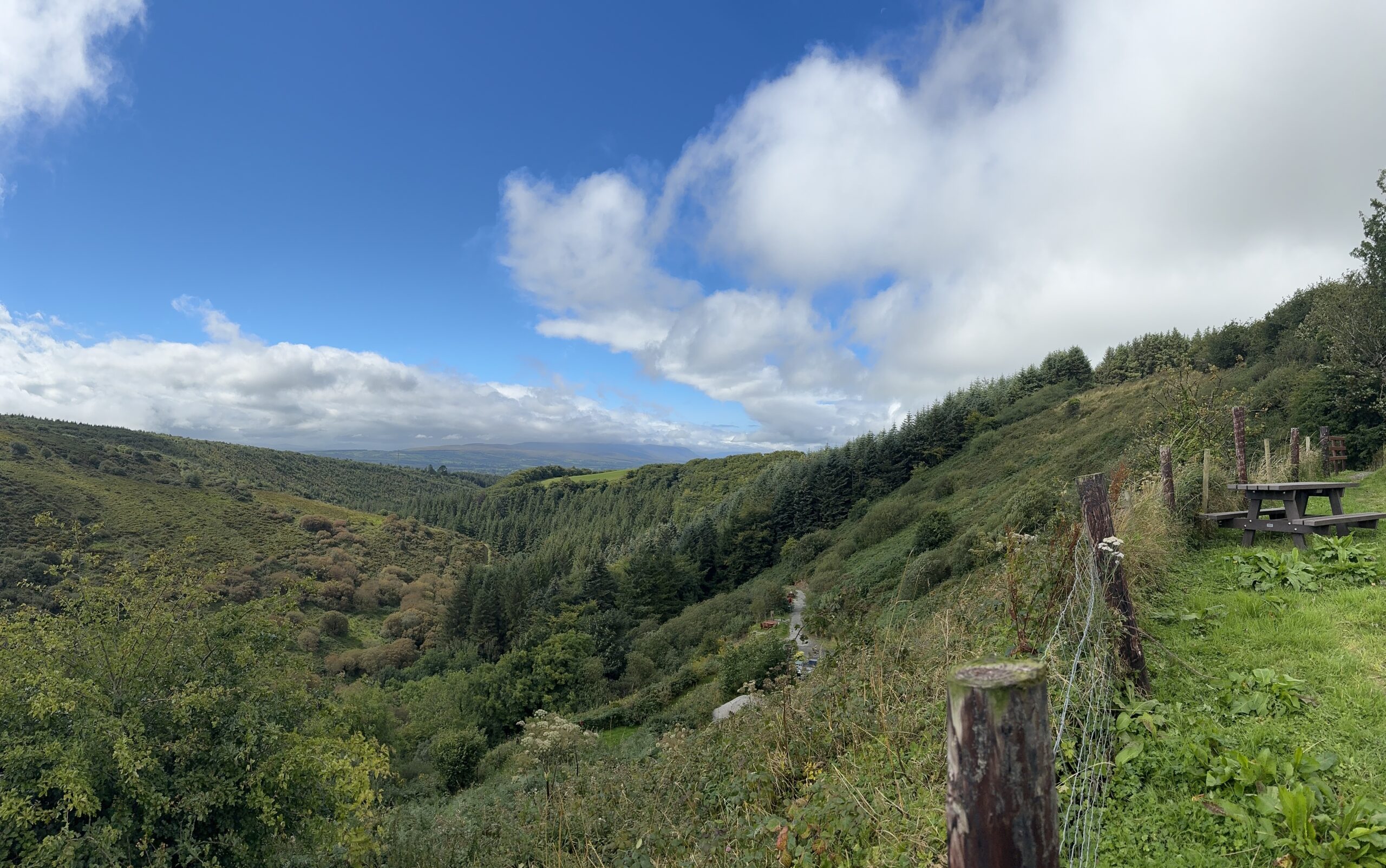
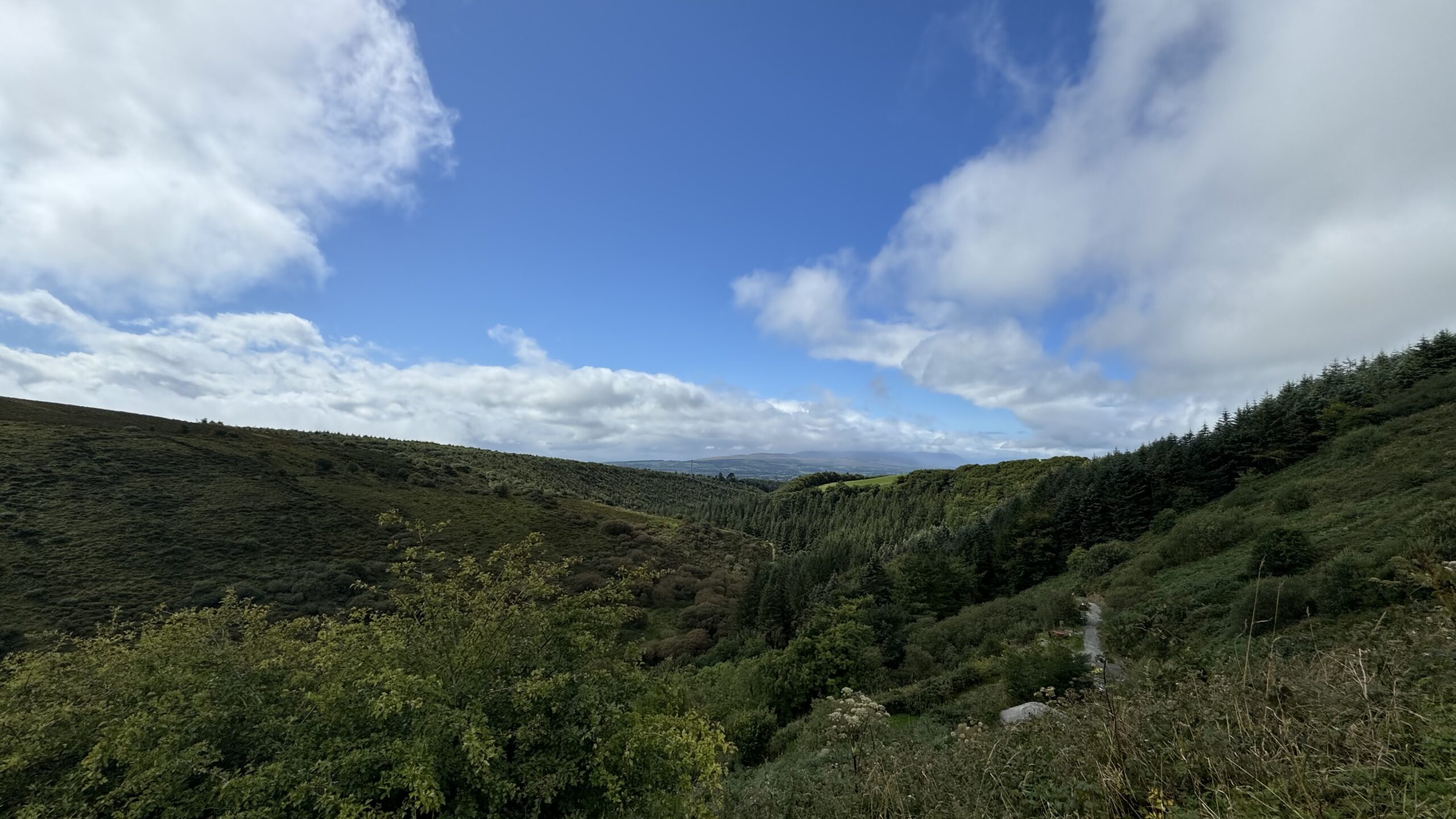
It ended here in Gleann na gCaointe (the Glen of the mourning) in 1583 with the death of Gerald – the last Earl of Desmond.
When Donie O Kelly cut off the Earls head he earned himself a pension of £20 a year, however O Kelly himself was later executed in England for highway robbery.
In the Desmond survey of 1584 this area was described as one of the wildest and most remote parts of Munster at that time.
The Earl of Desmond
The Desmond Tree
One of the more gruesome stories to happen was the capture of the rebel Earl here in 1583 after been betrayed for a piece of silver by one of his own men.
As his captors made their way cautiously across the streams and glens of this woodland they became increasingly concerned that the Earls men would ambush them.
As their progress was being delayed by the injured Earl, it was decided to behead him here in the wood and make their escape with his head and cast his body behind an old oak tree – now know as the Desmond tree.
Across the road stands a monument to his memory and apparently marks the spot where his life ended.
In 1586 the Blennerhassett family of Thomas and his son Robert arrived in Ballymacelligott from Flemby in Cumberland andwere granted over 3000 acres of land forfeited by the defeated Earl ofDesmond.
What do we know about the Earl of Desmond? He was born in 1533, and at the age of 20 he married 40 year old Joan Butler, it was her 3rd marriage. She was originally a member of the Fitzgerald clan but married Butler.
However, the Fitzgerald and Butler clan were bitter enemies and Joan’s son Black Tom and the Earl of Desmond eventually went into battle against each other in 1565 a month after the death of Joan.
While alive she managed to keep them from all out war. The internet tells us that particular battle in 1565 was the last battle fought in this country between 2 private armies.
In 1541, his father signed an agreement with the Queen that he would be brought up in England as a companion for the young King, but this never materialised.
He was knighted in 1558 but he spent many years as a prisoner in the tower of London.
In January 1565 the Earl of Desmond married Elanor, 3 weeks after his wife Joan died. One report goes so far as to say that marrying Elanor was the most sensible thing he did in his lifetime. She was very much a Maid Marrion of Sherwood forest character and is described as an outstanding horsewoman.
There are many stories told of her many daring exploits of skill in leading soldiers away from her injured husband in the woods north of Castleisland {Glanageenty} and one story tells of how they got surrounded in a shelter in the woods and how she dragged her injured husband into a river and kept them both hidden in the water until the search party moved on.
While he was a prisoner in London, Elanor kept charge of his army and collected the rent and sent money to London for his comfort. She was very popular among his followers and even the Queen admitted that for someone she initially despised she built up a grudging admiration for the shrewd Elanor.
The Earl of Desmond spent 2 years hiding in these woods but his health was very poorly as he had been badly injured in the battle with Black Tom and that injury really came back to haunt him in later years,.
Browse
More History
Click on the images below for more information on Glanageenty Walks and the History surrounding this area of Ireland.